
If you have any questions, you are always welcome to contact us. We'll get back to you as soon as possible, within 24 hours on weekdays.
Shipping Information
Use this text to answer questions in as much detail as possible for your customers.
Customer Support
Use this text to answer questions in as much detail as possible for your customers.
FAQ’s
Use this text to answer questions in as much detail as possible for your customers.
Contact Us
Use this text to answer questions in as much detail as possible for your customers.

Flexible Payments
Use Klarna to split your purchase into 4 Easy Payments.

Tracker Care
Issue with your device?
Send it to us & we’ll replace it.

Privacy
Your data is
encrypted & secure
Features
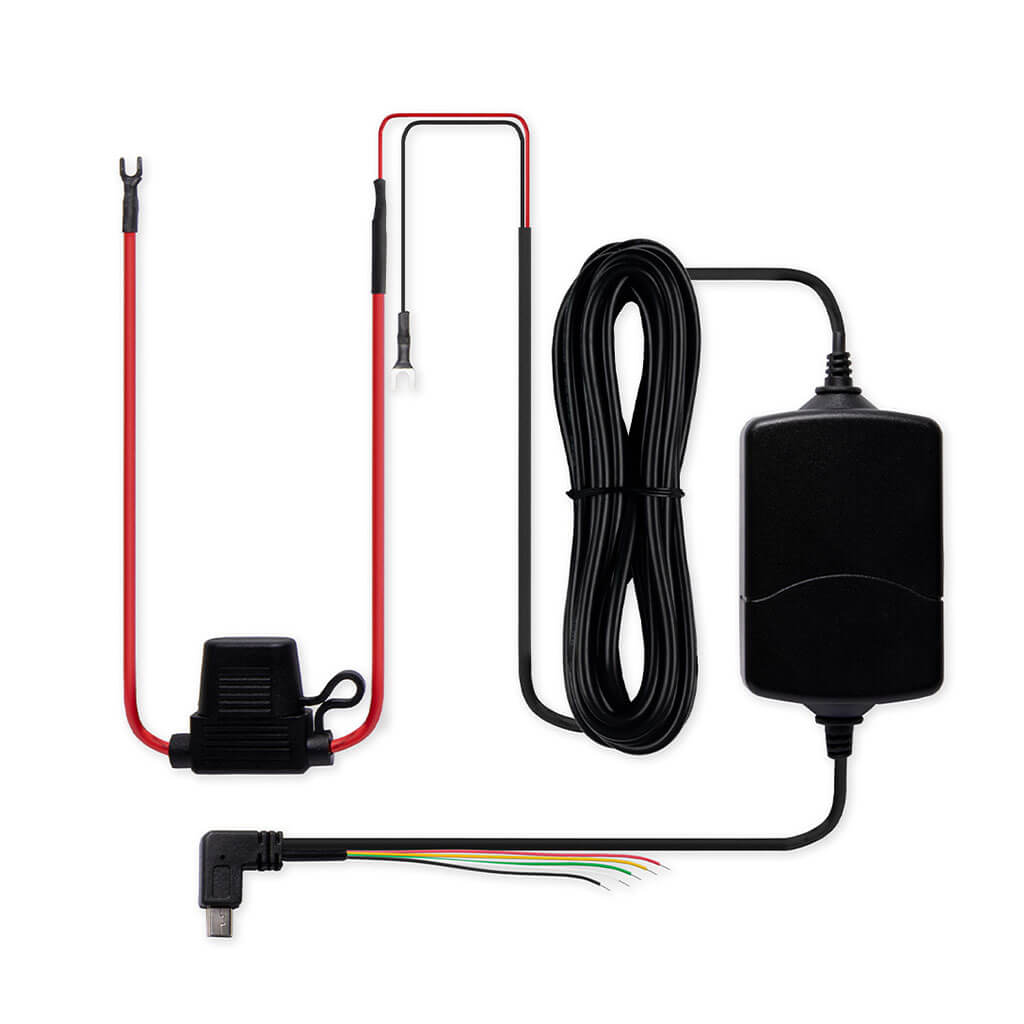
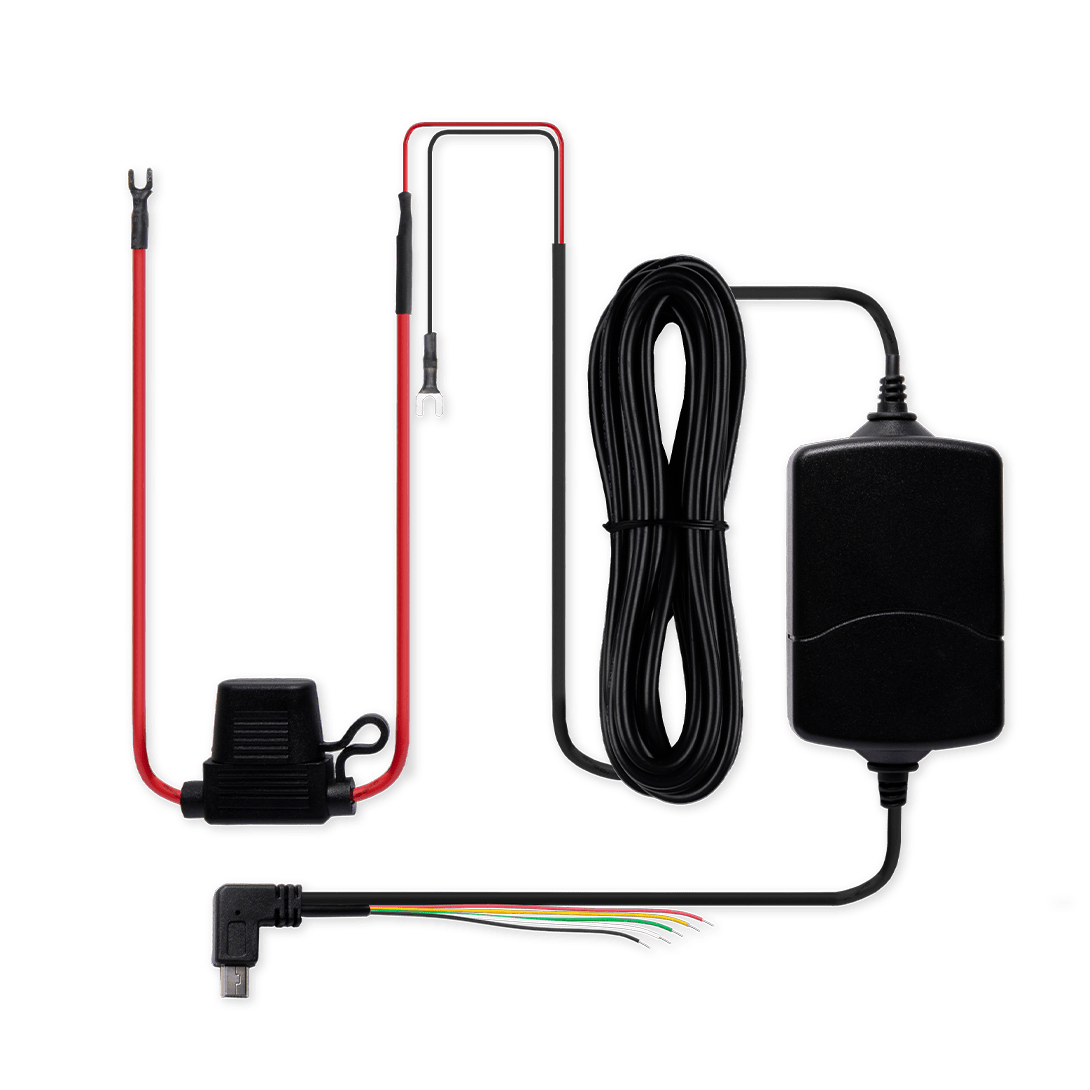
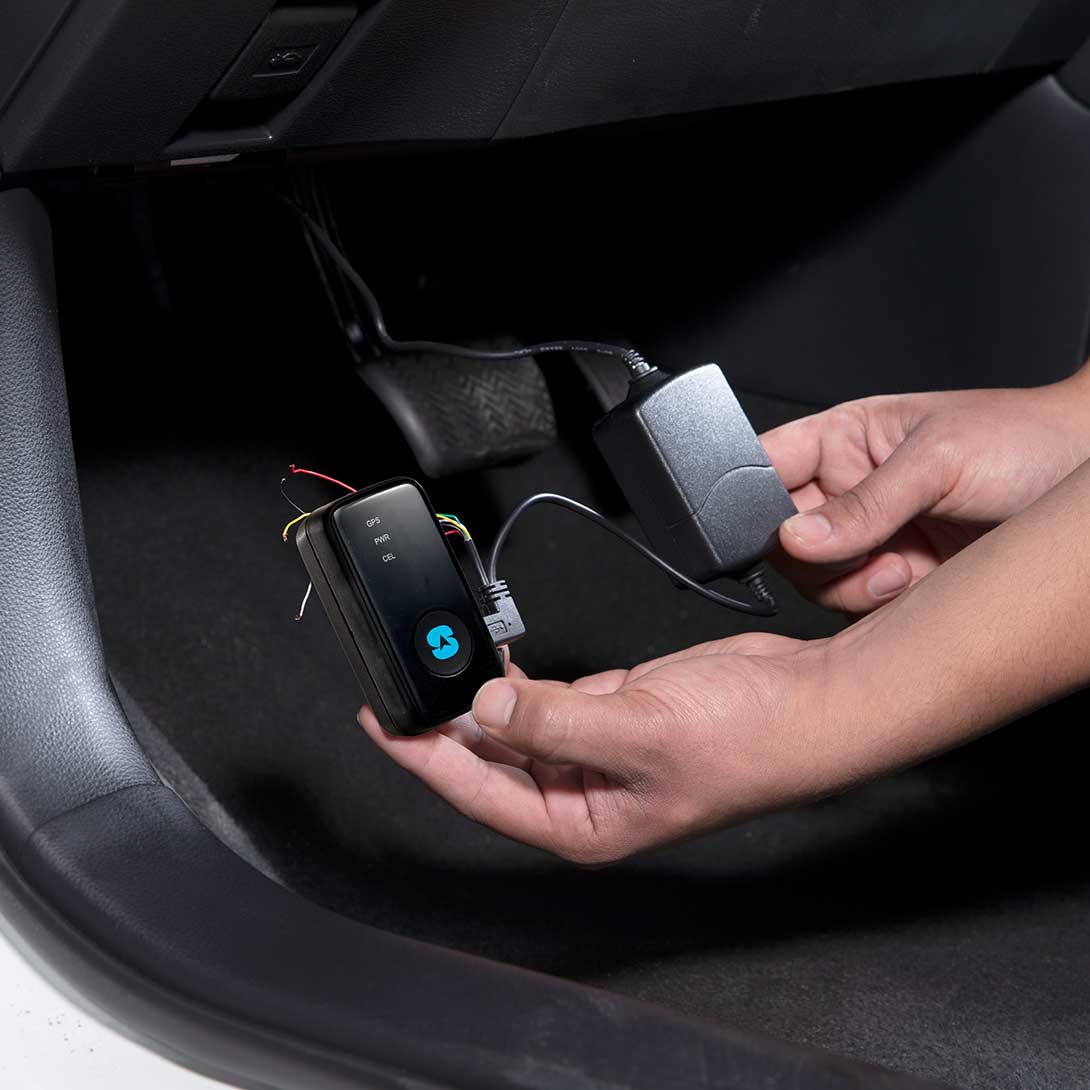
Long-term deployment
Never remove your tracker to charge again.
Compatible with Any Modern Vehicle
Draws power directly from your car.
Discreet Placement
Covertly place your tracker out of sight.
Complies with vehicle warranties
Install and remove without damaging your vehicle.
Features
Long-term deployment
Never remove your tracker to charge again.
Compatible with Any Modern Vehicle
Draws power directly from your car.
Discreet Placement
Covertly place your tracker out of sight.
Complies with vehicle warranties
Install and remove without damaging your vehicle.
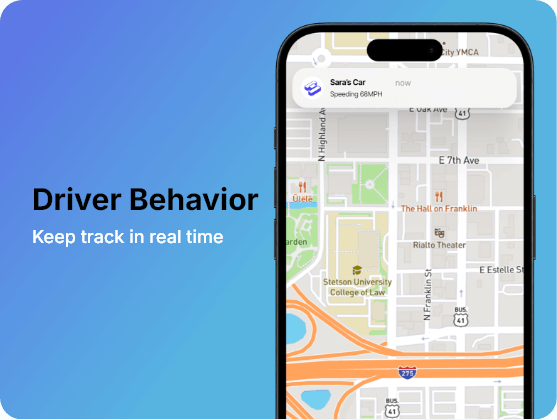
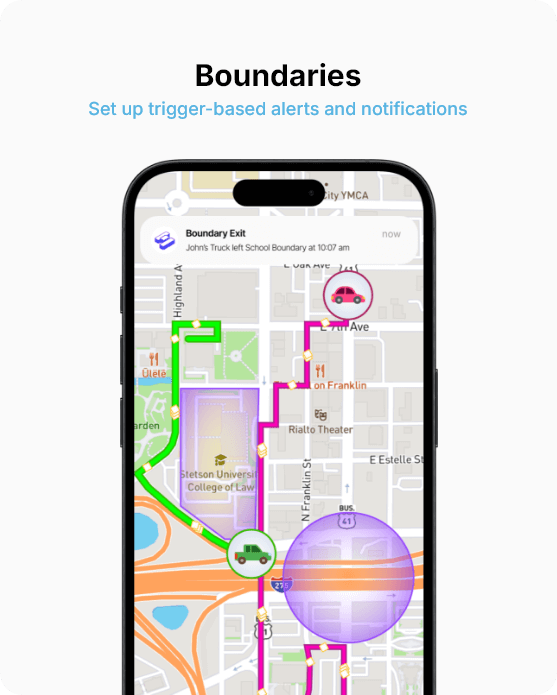
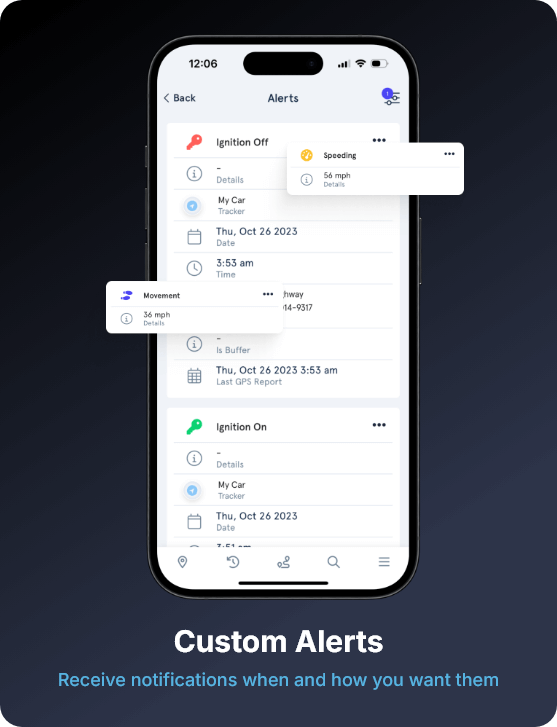
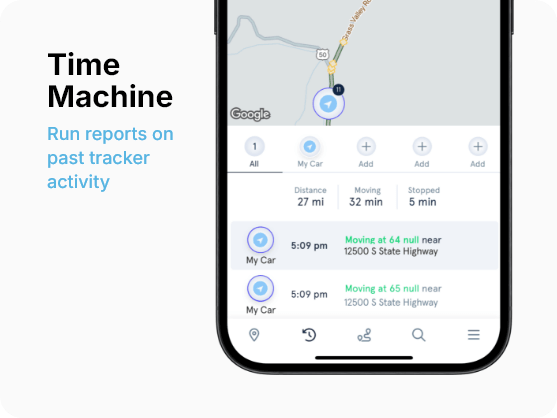
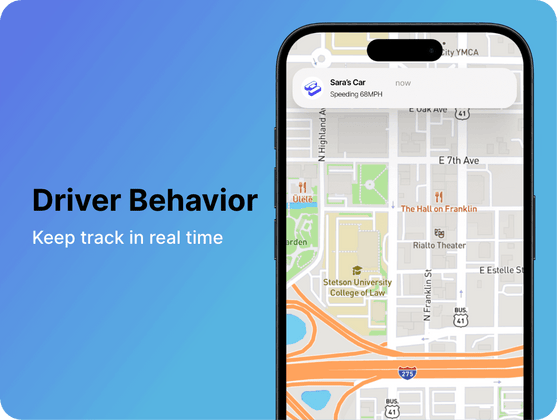
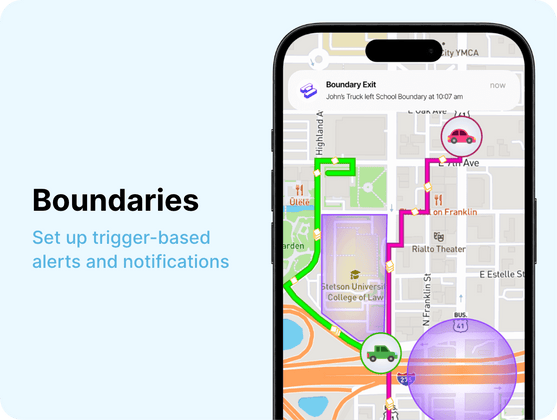
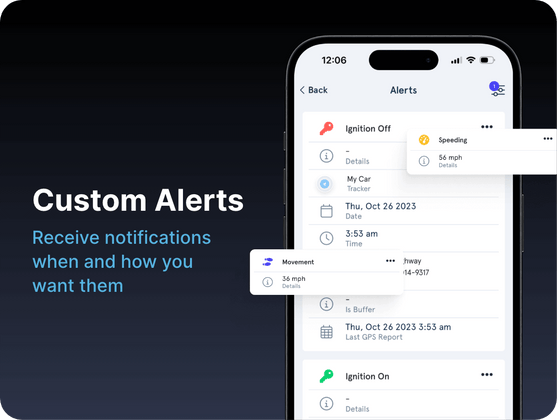
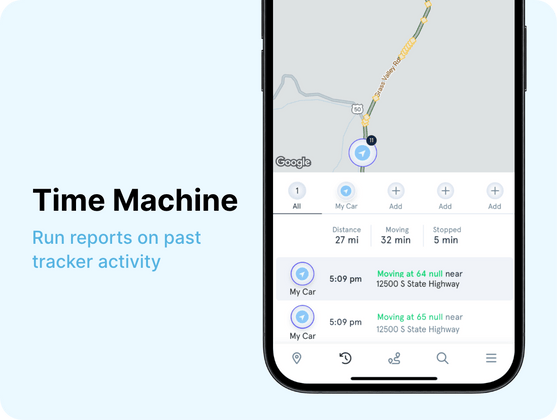
See assets and vehicles in real time, set up trigger-based alerts and notifications, and run reports on past tracker activity—all from our easy-to-use software application.


 Research and Innovation
We are continuously updating our software with new features and functionality to optimize and streamline your experience.
FAQs
Where is my OBD port, and how do I install this?
Most vehicles have the OBD port under the dashboard near the steering column. Just plug the tracker in and no tools, no wiring, no professional installation are needed. It takes about 30 seconds.
Will this work with my vehicle?
Yes, if your vehicle was made after 1996. All cars and light trucks sold in the US since then have a standard OBD-II port. This includes gas, diesel, and most hybrid vehicles.
What telematics data do I get beyond location?
You'll see ignition on/off status, trip history with start/end times, speed alerts, fuel levels, and engine diagnostic trouble codes (DTCs)—the same data a mechanic reads with a scan tool. For a full breakdown of available OBD data, see our complete guide to OBD GPS trackers.
How fast are location updates?
Up to 2-second updates—the fastest in our lineup. This makes it ideal for monitoring driving behavior and getting precise route data.
Will it drain my car battery?
No. The tracker draws minimal power (similar to a dashcam) and only when the vehicle is on. A built-in backup battery keeps it running briefly when the car is off so you still get alerts.
What if someone unplugs it?
You'll get an instant notification when the tracker loses power or is disconnected, along with its last known location. If tamper resistance is critical for your use case, a hardwired GPS tracker may be a better fit. See our OBD vs Hardwired comparison.
Does this work with electric vehicles?
Yes. EVs have OBD ports and the tracker pulls EV-specific telematics data, including battery health and performance metrics. Location tracking, trip history, and alerts all work the same as with gas vehicles.